

Drought
FCWSA Current Drought Status as of June 5, 2026:
DROUGHT WARNING WITH
MANDATORY OUTDOOR USAGE RESTRICTIONS
FCWSA is implementing mandatory outdoor water usage restrictions due to the state's ongoing Drought Warning Advisory for the county, as well as long-range forecasts that indicate the current drought will continue past June and into the summer months.
Mandatory Outdoor Usage Restrictions Include:
- Irrigation with a sprinkler or irrigation system prohibited.
- Washing of automobiles, trucks, trailers, or other mobile equipment prohibited, except in vehicle wash facilities operating with an effective and efficient water recycling system with a prominently displayed sign in public view so stating.
- Washing of streets, driveways, parking lots, service station aprons, the exterior of commercial or residential buildings, or any other outdoor surfaces prohibited, unless such washing is required to eliminate a safety or health hazard.
- Operation or use of all water-demanding amenities located within WSA's service area, such as ornamental fountains, waterfalls and reflecting ponds prohibited, unless such water use is necessary to aerate for a short period to preserve habitat for aquatic species.
- Refrain from filling any swimming and/or wading pool that is empty or is less than three-quarters full.
More information is available in our most recent drought information release Click Here, and in our Frequently Asked Questions (FAQ) below.
FCWSA will continue to review federal, state, and local drought information and update our drought status as necessary through the summer using this information page.
FCWSA Drought FAQs
Where does our water come from?
FCWSA relies solely on groundwater sourced from about fifty wells across sixteen independent water systems throughout Fauquier County, primarily in the Service Districts, which collect water from fractures in the bedrock deep beneath our water systems. Groundwater is the result of precipitation seeping into the ground and ultimately into fractures in the bedrock and is highly dependent on the type of precipitation (intense storm vs. long soaking rainfall).
In Fauquier County, the average rainfall is between 41-45 inches depending on the data source and historical information available. During an average year it's estimated that less than 25% of rainfall migrates through these bedrock fractures to be captured by FCWSA's groundwater wells – in drought years this may be less than 15% of rainfall, which is why it's important to consider wise water use and conservation of our natural resources.
The Town of Warrenton and Town of Remington both have their own independent water systems unaffiliated with FCWSA’s water supplies. As a result, they may have drought statuses that are different than FCWSA. FCWSA also does not regulate private wells.
Why may FCWSA restrict water usage?
FCWSA considers our drought impacts by looking at both water supply (available groundwater) and water demands on the system (customer usage). Unfortunately, many droughts occur due to lack of rainfall going into the hotter summer months, when water supply is decreasing and lack of rainfall causes in increase in customer demands for additional outdoor water usage. This effect – low supply and high demand –can change very quickly and creates extreme stress on the water supply.
FCWSA must also consider seasonal concerns – groundwater typically depletes over summer and begins recharging with the start of the “Water Year” on October 1st, where we collect groundwater over the winter/spring to support high demands and decreased precipitation over summer.
Springtime droughts are particularly concerning – reduced water supply going into summertime demands creates a much higher risk than reduced water supply going into wintertime (when customer usage is at its lowest).
Aside from drought, FCWSA may also restrict water usage during times of emergency, during major system construction or repair, or when a major facility is offline. FCWSA typically schedules significant water facility maintenance and improvements for winter months to avoid customer impacts during high demand periods.
Can FCWSA just increase water supply?
Yes, and we do, but the process is costly and takes significant time. Aside from the costs in developing and integrating new wells, every well has long-term fixed costs to keep it operational (maintenance, testing, etc.). Having extra wells available just to meet high demands for one or two months a year would significantly increase costs for everyone.
FCWSA proactively considers long-term planning for all our sixteen water systems. Unfortunately, groundwater wells are developed and permitted at constant withdrawal rates. For example, a typical well is permitted at a specific flow rate – like 100 gallons per minute (gpm) – with an allowed maximum runtime of 10-14 hours per day.
During the winter months when customer water usage is at its lowest, the well may only run a few hours per day, but during the summer will increase to its maximum allowed runtime of 10-14 hours per day to satisfy increased customer demand.
During an emergency (e.g. water main break or extreme usage) a well may run more than its maximum allowed runtime on one day, but would need to be taken offline the following day to recover to avoid damage to the well and depletion of the water supply.
Although FCWSA wells meet federal and state health requirements, every well produces water unique to that well, and some wells produce water that is less aesthetically desirable (e.g. harder water, discoloration from naturally occurring iron and manganese, etc.) than other wells.
When a well runs 14 hours per day during high demand periods in the summer it may produce water that is less desirable than when it only runs a few hours per day in the winter. This is solely determined by the type of rock underground through which our groundwater flows.
I see FCWSA staff using water during the drought – why is this allowed?
There are a variety of operational and maintenance reasons for which FCWSA may use water during drought restrictions.
Typical reasons may include routine hydrant flushing to remove sediment and maintain water quality, maintenance and testing of fire hydrants, commissioning new facilities, and flushing our pipelines after performing repairs. In addition, aesthetic changes to groundwater during drought may require more flushing to maintain water quality, and this factors into our decisions on whether to enact outdoor water usage restrictions.
FCWSA is always mindful of water usage and balances the need for operational water usage against the impacts of deferring maintenance. Except in emergencies, and unlike normal outdoor irrigation usage, FCWSA can control our operational usage during flushing to avoid system impacts.
What information does FCWSA consider in drought restrictions?
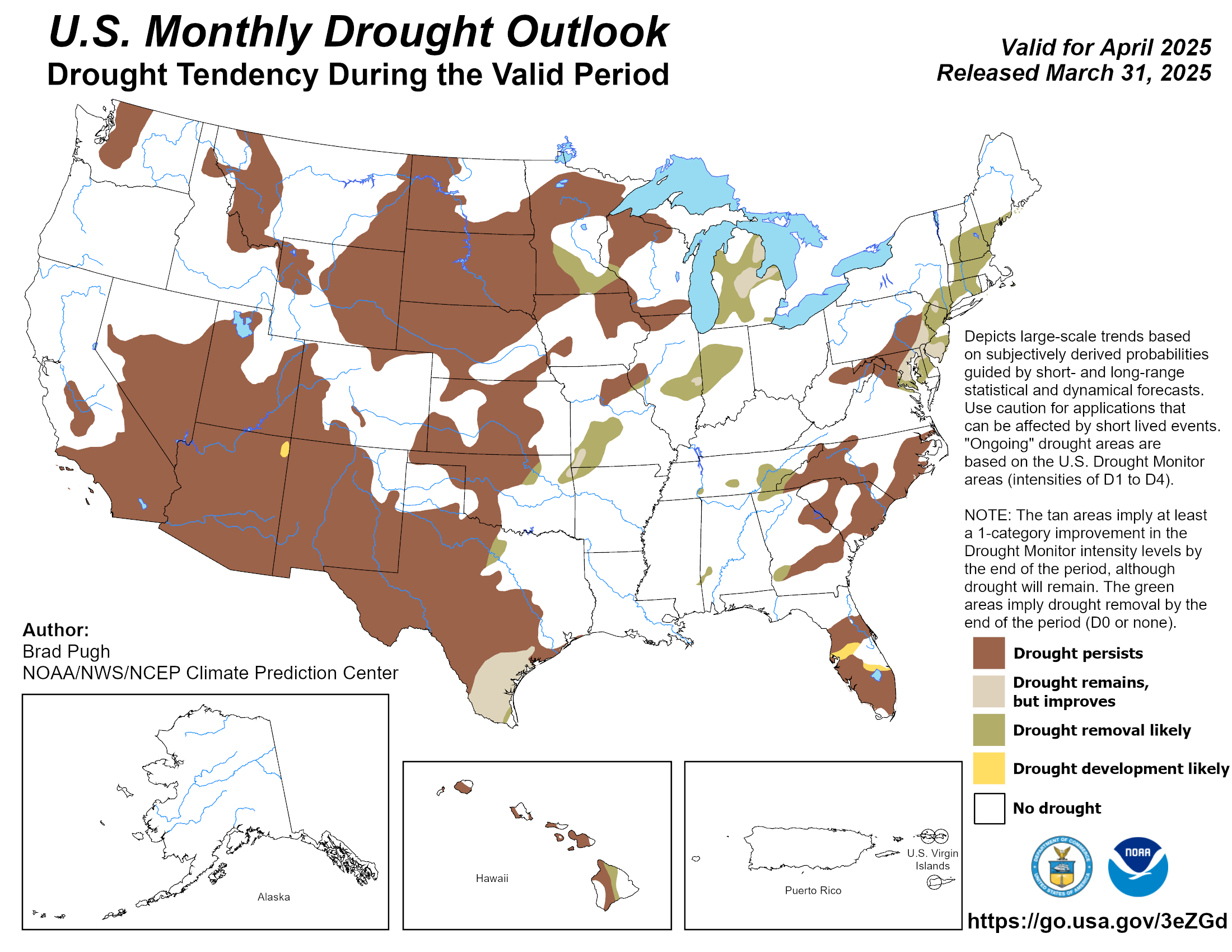
FCWSA monitors numerous federal, state, and local data sources, such as:
- Virginia Department of Environmental Quality (DEQ)
- National Integrated Drought Information System
- US Drought Monitor
- National Oceanic and Atmospheric Administration (NOAA)
- US Geological Survey (USGS)
- FCWSA observed water data (actively collected from daily operations of our systems)
- Realtime system demands and system performance
- Changes in water quantity and quality – low precipitation, especially with higher demands, can cause changes in both water quantity and quality as water encounters different rock formations deep underground, which can alter the water groundwater entering our wells.
- Groundwater level trends over time
- Fauquier County Groundwater Monitoring Program
- This is a joint venture of Fauquier County and FCWSA, which develops monitoring wells surrounding the largest Service Districts – New Baltimore, Bealeton, and Marshall –which are periodically monitored and can act as an early warning system for our active groundwater wells. This program has been in place for several years with Emery & Garrett Groundwater Investigations, a Division of GZA, and will continue to expand over time as our systems grow. You can view a presentation of the program on Fauquier County’s website at their November 14, 2024 Board of Supervisors Work Session.
- Presentation Document
- Video
General Drought FAQ
A drought is a period of drier-than-normal conditions that results in water-related problems.
The amount of precipitation at a particular location varies from year to year, but over a period of years the average amount is fairly constant. In the deserts of the Southwest, the average precipitation is less than 3 inches per year. In contrast, the average precipitation in the Northwest is more than 150 inches per year.
When little or no rain falls, soils can dry out and plants can die. When rainfall is less than normal for a period of weeks to years, streamflows decline, water levels in lakes and reservoirs fall, and the depth to water in wells increases. If dry weather persists and water-supply problems develop, the dry period can become a drought.
When does a drought begin and end?
The beginning of a drought is difficult to determine. Several weeks, months, or even years might pass before people know that a drought is occurring. The end of a drought can occur as gradually as it began.
The first evidence of drought is usually seen in records of rainfall. Within a short period of time, the amount of moisture in soils can begin to decrease. The effects of a drought on flow in streams and reservoirs may not be noticed for several weeks or months. Water levels in wells might not reflect a shortage of rainfall for a year or more after a drought begins.
Soaking rains are the best medicine to alleviate drought. Water that enters the soil recharges groundwater, which in turn sustains vegetation and feeds streams during periods when it is not raining. A single soaking rain will provide lasting relief from drought conditions, but multiple such rains over several months may be required to break a drought and return conditions to within the normal range.
Even when a drought has been broken it may not be truly over. The benefits of substantial rainfall such as from a tropical storm may last for months, but a return to normal rainfall patterns and amounts is necessary for conditions in streams, reservoirs, and ground water to also return to normal.
Why doesn't a drought end when it rains?
Rainfall in any form will provide some drought relief. A good analogy might be how medicine and illness relate to each other. A single dose of medicine can alleviate symptoms of illness, but it usually takes a sustained program of medication to cure an illness. Likewise, a single rainstorm will not break the drought, but it might provide temporary relief.
A light to moderate shower will probably only provide cosmetic relief; its impact is short term. Thunderstorms often produce large amounts of precipitation in a very short time, so most of the rain will run off into drainage channels and streams rather than soak into the ground.
Soaking rains are the best medicine to alleviate drought. Water that enters the soil recharges groundwater, which in turn sustains vegetation and feeds streams during periods of no rain. A single soaking rain will provide lasting relief from drought conditions, but multiple such rains over several months might be required to break a drought and return conditions to within the normal range.